

City living often means making the most out of tiny spaces, especially when it comes to growing fresh herbs. Even in the smallest urban apartments, it’s totally possible to enjoy a kitchen full of basil, mint, or chives—all thanks to vertical herb gardens.
I’ve personally added greenery to balconies and even window ledges, and these DIY solutions have always been very helpful for keeping things neat and lively, without any clutter.
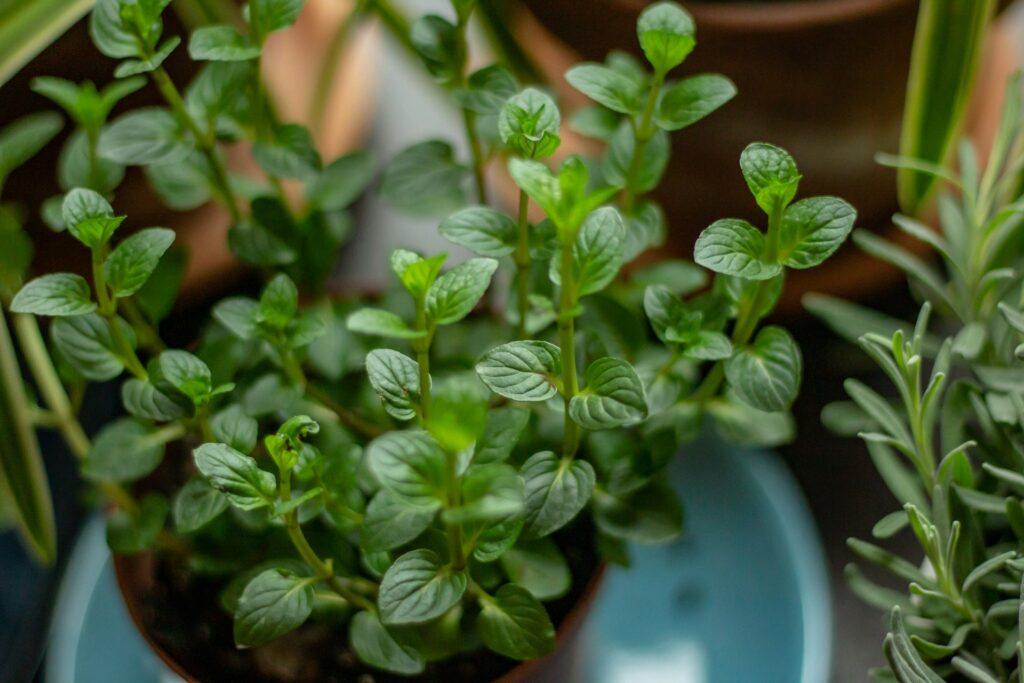
Why Build a Vertical Herb Garden in Your Apartment?
Crowded city apartments rarely come with much outdoor space, but that doesn’t mean you have to skip growing your own herbs. Building up rather than out saves space, looks modern, and brings a patch of green indoors. Homegrown herbs are handy, money-saving, and honestly, nothing makes me feel more accomplished in the kitchen than snipping a few fresh sprigs right beside my stove.
Growing herbs vertically also improves air circulation around your plants, helping prevent pests. Many folks use wall-mounted planters or slim shelving units to fit fresh herbs even in the tiniest kitchen or balcony. And yes, this approach is renter-friendly—no drilling necessary for most ideas, and the whole setup can move with you when it’s time for your next place.
Starter Tips: How to Plan Your DIY Vertical Herb Garden
Kicking things off requires some preparation. Not all walls or corners work well for herbs. Here are a few basics I always check:
- Sunlight: Most herbs do best with at least 4–6 hours of light. South or west-facing windows are perfect, but supplemental grow lights can help if you’re limited.
- Accessibility: Watering and harvesting are way easier if your plants are within arm’s reach, so plan to put your garden somewhere you visit often.
- Weight: Wall planters can get heavy with soil, water, and pots. Ensure your mounting solution works with your rental walls, or use over-the-door options if drilling isn’t allowed.
There’s no need to spend a ton of money either. Many brilliant vertical setups use supplies you might already have, such as old shoe organizers, wooden pallets, recycled jars, or even leftover fabric.
When planning your setup, consider combining function and style. Painted pallets or brightly labeled containers add eye-catching appeal, and a creative arrangement of pots on a wall can make your garden a true focal point. Even small additions, like patterned pots or string lights, can enhance the ambiance of your kitchen or balcony. This way, your herb garden serves double duty as both useful and decorative.
DIY Vertical Herb Garden Ideas for Small Spaces
There are loads of ways you can build a vertical herb garden, no matter what tools or budget you’re working with. Here are a few that I’ve tried or seen friends use to great effect in snug apartments:
- Hanging Shoe Organizer: This is hands-down one of the easiest ways to start. Those clear, over-the-door fabric shoe organizers fit standard 4inch nursery pots perfectly. Just pop in your herbs and place them near a bright window or a balcony door. Drainage can get a bit tricky, so I usually double up with small saucers or cut slits in the bottoms if I’m not worried about a little mess.
- Wall-mounted Mason Jars: If you love the farmhouse look, mason jars on wooden boards work well. Attach hose clamps to a plank of wood, fasten jars inside, then mount the board to your wall with picture hangers. Add small pebbles at the bottom for drainage and some good potting mix, and you’re set. These jars are best for herbs that don’t mind roots staying slightly moist, such as mint or parsley. If your kitchen style is modern, swap in glass tumblers or upcycle old tea tins for a totally different vibe.
- Recycled Pallet Garden: If you’ve got access to an old wooden pallet, sand it down, and either hang it flush to the wall or lean it upright on a balcony. Tuck pots or plant herbs between the slats, using landscape fabric or coco liners to hold the soil. I find this option especially fun if you want a rustic look or need to grow a lot of herbs at once.
- Stacked Pots or Tiered Planters: Stackable pots—sometimes called strawberry pots—let you fit several herbs in a single unit. You can buy these or make your own by stacking pots of different sizes. Terracotta pots work well, look good, and allow roots to breathe. Just remember to rotate your stack now and then so every plant gets its moment in the sun.
- Hanging Rails and Buckets: Those kitchen rails from the hardware store are great for herbs. Just add S hooks and small metal or plastic buckets. Hang them above your sink or along a balcony railing. I’ve found this is a stylish, minimalist option, and it’s easy to move plants around if some need more light than others.
Mixing and matching these ideas is totally fair game. Try using a shoe organizer in the kitchen and wall-mounted jars on the balcony, or stack several different types of planters to make the most of every inch. Don’t be afraid to jump in and see what works for you—herb gardens are forgiving and fun to tweak over time.
Quick Step-by-Step: Assembling Your First DIY Vertical Garden
Putting together a vertical herb garden might sound daunting, but it’s totally doable. Here’s the process I use, no matter which type I’m building:
- Choose Your Location: Make sure your spot gets several hours of light each day, has enough room for airflow, and fits your chosen system (hanging, stacking, or wall-mounted).
- Prepare Your Planters: Clean out recycled containers, drill or punch drainage holes, and set up any supports or rails you need before adding soil.
- Select Your Herbs: Basil, oregano, chives, parsley, mint, and thyme all thrive indoors. Stick to compact types that won’t outgrow their planters.
- Plant Properly: Fill containers with quality potting mix, and gently transplant herbs, giving them enough room to avoid crowding. Water gently after planting.
- Hang or Arrange: Hook or mount your planters, stack pots, or set up your rails based on the space you have.
- Keep an Eye on Care: Water when the top inch of soil is dry, feed with a weak liquid fertilizer monthly, and trim often to encourage bushy, healthy growth.
This routine gets easier with practice. Starting with just a few herbs and adding more over time keeps things manageable and fun.
Common Challenges and How to Handle Them
- Light Troubles: Not enough sunlight is probably the most common issue in apartment gardens. If your herbs get leggy or pale, consider an affordable LED grow light. Place it 6 to 12 inches above the herbs and run it for 12 to 14 hours per day.
- Humidity: City apartments can be super dry, especially with heaters running. Mist your herbs every couple of days, or set a shallow tray of water nearby. Some people even use small room humidifiers just for their plants. You can also group pots; when plants are close, they share humidity, which helps them stay perky.
- Pests: Spider mites and aphids sometimes show up. Washing leaves with soapy water or using gentle neem oil sprays has always worked for me. Good airflow goes a long way, too, and spacing your plants well can keep bugs at bay.
- Overcrowding: It’s easy to get enthusiastic and cram as many herbs as possible into one small garden. Try to limit one plant per container for best results, giving each plenty of space to grow healthy roots.
Light Troubles
Bright indirect sun works for most herbs, but if your apartment faces north, you’ll likely need a grow light. I prefer clip-on grow lights because they take up minimal space and adjust easily as your garden grows. If you’re feeling ambitious, some DIYers build shelves fitted with LED strips to maximize both light and shelf space.
Humidity
Dry indoor air can stunt plant growth and cause leaves to brown along the edges. Running a humidifier for a couple of hours near your plants can help, or you can cluster your herbs closer together so they share some humidity. Even placing your herbs above a kitchen sink can offer a bit of extra moisture throughout the day.
Pests and Overcrowding
Sometimes pests sneak in when you bring home new plants. I carefully check new herbs before adding them to my setup and rinse the leaves periodically to keep dust and bugs away. Overcrowding also stresses herbs, so if you notice yellowing leaves or stunted growth, thin your collection or repot herbs into slightly larger containers.
Smart Upgrades and Extra Touches
Once your basic vertical garden is thriving, there are a few ways to give your setup a boost:
Automatic Watering Systems: Self-watering containers or drip lines make caring for herbs while you travel way easier. There are small battery-powered options that fit right into your vertical garden, ensuring your herbs stay happy even if you’re busy.
Plant Markers and Labels: Labeling herbs helps keep track, especially if you’re new to gardening. Paint stir sticks or old forks make great, quirky markers, and chalkboard labels let you switch things up quickly if you rotate herbs.
Rotating Your Herb Choices: Mix in seasonal herbs, such as moving from summer basil to winter rosemary or sage. Most planters make swapping easy—lift out and replant as needed. This keeps your kitchen flavors interesting and your garden fresh year-round.
Creative Lighting: String fairy lights around your vertical garden, or mount small spotlights above your herbs for an extra dash of style. This makes your green wall stand out after sunset, making the space cozier.
Everyday Benefits of Vertical Herb Gardening
- Fresh Flavors: Picking herbs seconds before they hit your soup or salad makes a difference you can taste.
- Decor Impact: A lush hanging herb wall adds instant color and life to bland apartment spaces and doubles as décor.
- Cost Savings: Growing your own beats paying big bucks for grocery store bunches. Most herbs continue to produce for months with basic care.
- Wellness Perks: Gardening, even indoors, is shown to lower stress and boost the good vibes at home. Plus, having greenery around is just more relaxing. It can also give you a sense of accomplishment and a daily connection to nature, even in a high-rise city.
Frequently Asked Questions
Question: What’s the easiest herb to grow indoors?
Answer: Mint or chives are super forgiving for beginners and will thrive with just a little water and sun.
Question: How often should I water my vertical garden?
Answer: Check the soil once or twice a week. Most herbs dry out more quickly in smaller containers; if the top inch is dry, it’s time to water.
Question: Is it possible to grow herbs with no direct sunlight?
Answer: Yes, but you’ll want to invest in a simple LED grow light for the best results. Herbs grown under lights usually remain bushier and more flavorful.
Final Thoughts
A DIY vertical herb garden brings flavor, color, and a breath of nature right into the small spaces of city living.
With a bit of creativity, a dash of patience, and the right care, anyone can harvest handfuls of fresh herbs at home.
No backyard needed.
Happy planting!