
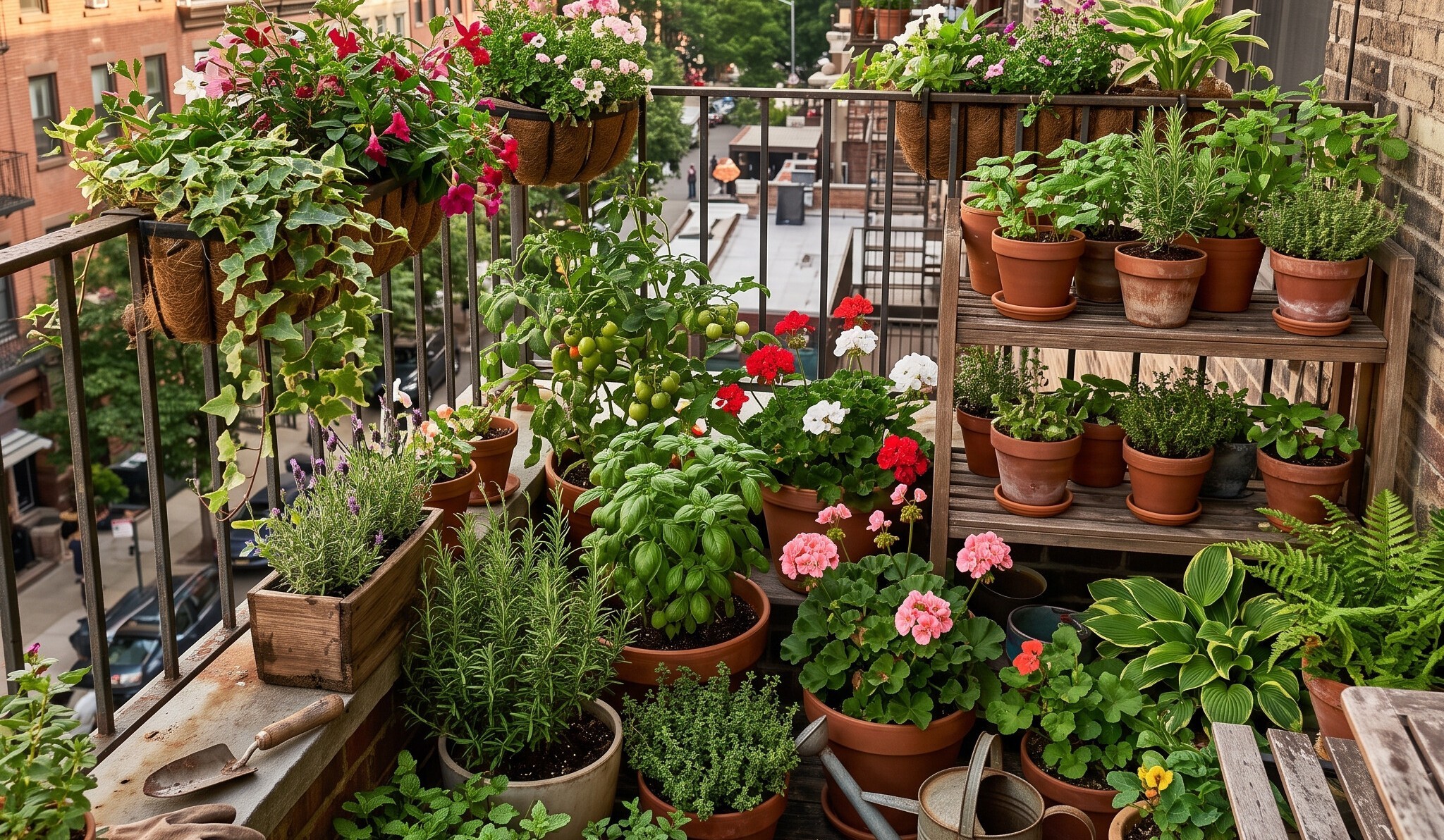
Here, small balconies often get overlooked when it comes to gardening, but they’re actually the perfect canvas for creative container gardens that punch way above their square footage. Here, a little planning and some smart choices can transform even the tiniest balcony into a lush, productive oasis that looks good and feels even better.
Here’s how I’ve tackled container gardening for small balconies, with lots of ideas and tips based on what’s worked for me and others.
Why Container Gardening is Awesome for Small Balconies
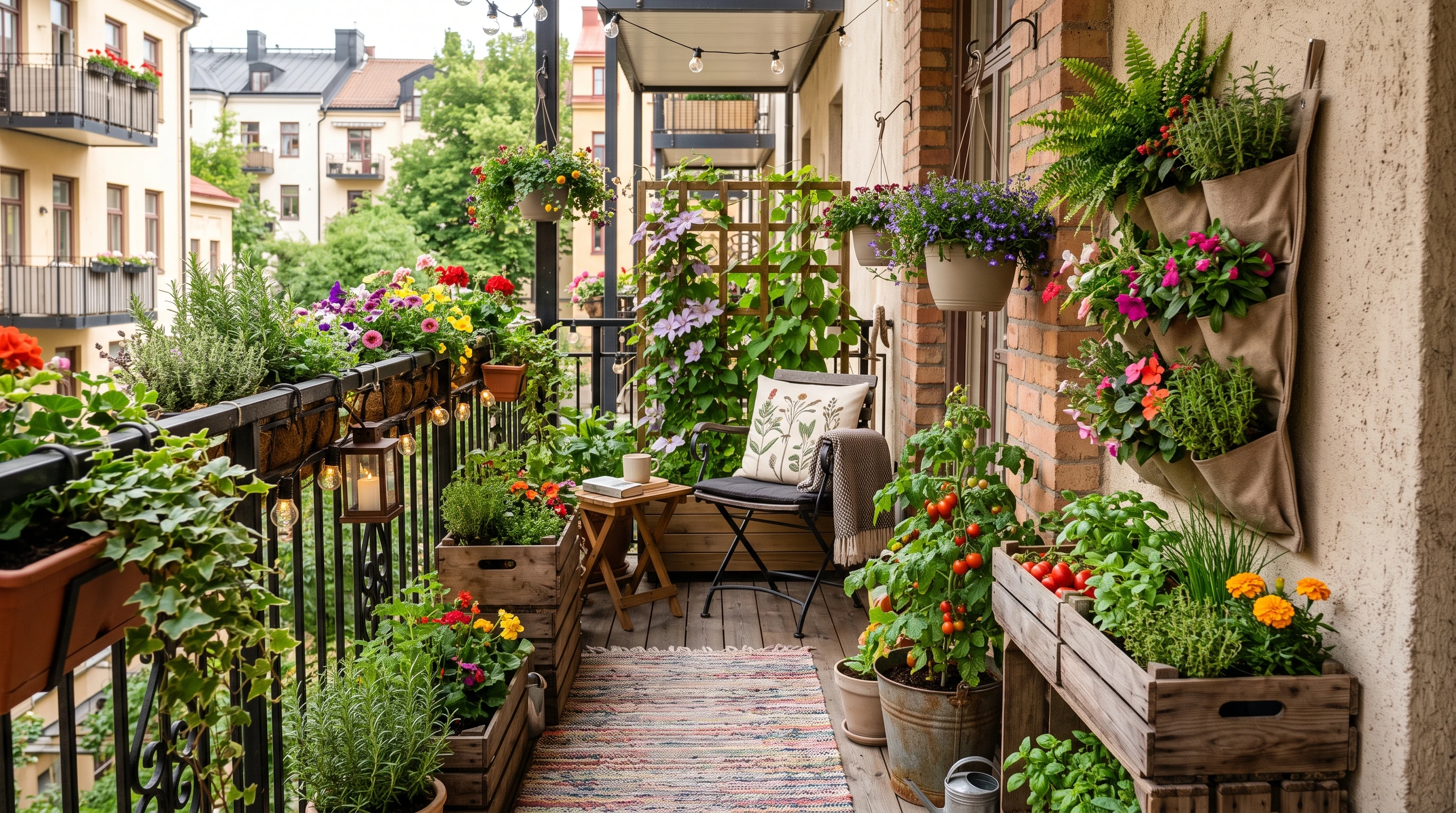
It’s container gardening here in an urban space, designed for tiny outdoor spaces. Instead of digging in the ground, you work with pots, boxes, and almost any vessel that holds soil. Here, this approach is flexible, letting you experiment with layouts, move things around, and even bring plants inside if the weather turns bad. Here, the containers also help manage tricky balcony challenges, like changing sunlight, windy conditions, or limited space, while adding tons of personality to your outdoor zone.
It’s with these gardens, it’s just not about the looks. Here, with the right setup, you can pack in herbs, salad greens, flowers, and even small fruits and veggies —much more—simply surprising everyone (including yourself) with how much you can grow in a very limited spot. Plus, container gardens are accessible and easy to customize to your needs and tastes. Being able to move containers lets you try out new arrangements anytime you feel like mixing it up.
7 Fundamentals for Designing a Beautiful & Productive Balcony Garden
1. Start with Space Planning & Balcony Layout
Simply, figuring out how much usable space you actually have is the first big step. I always grab a tape measure to gauge the floor, railing, and vertical wall space. Yes, take note of weird angles, the height between the railings and the floor, and any safety requirements for your building (utilizing all angles, aspects of the footprint).
It helps to sketch a quick map of your balcony before you buy anything. It doesn’t have to be fancy, just a basic drawing showing where you could place containers, a chair, or shelves. I like to divide balconies into rough “zones”:
- Growing zone: Where your plants, shelves, or hanging baskets will live
- Relaxation zone: A spot for a comfy chair or small table (even a crate can work as a seat!)
Here, pay close attention to sunlight patterns throughout the day. Figure out which parts of your balcony get full sun, partial sun, or shade—this will guide what you can grow where. Most edible plants like 6+ hours of sunlight, but lots of leafy greens and flowers that tolerate shade can thrive with less.
And here, vertical space makes a huge difference. I always look for wall areas, fence posts, or railings to hang or stack containers upward, then fill in horizontal space with pots, crates, or larger planters. Sometimes, even the smallest corner can fit a skinny shelf or a group of hanging planters. Smart planning will let you use every available inch.
2. Choose the Right Containers (Think Beyond Pots)
Just don’t stick with those basic plastic pots from the garden center. With a little creativity, loads of things can be turned into planter containers.
- Traditional pots: Terracotta, ceramic, resin, or lightweight plastic all work well, depending on your style and climate.
- Wooden crates: Old apple boxes, wine crates, or repurposed timber boxes—make sure to line them with plastic or landscape fabric.
- Buckets or metal tins: Galvanized pails, old paint cans, or even colanders look cool and offer plenty of planting space. A quick tip: drill holes in the bottom for good drainage.
- Hanging baskets: Perfect for trailing flowers or herbs. These free up precious floor space and add greenery at eye level.
- Wall-mounted pockets: Fabric or plastic pocket planters attach to walls or railings, creating awesome vertical herb or flower gardens.
Every container needs proper drainage. Waterlogged soil quickly leads to root rot. If your container didn’t come predrilled, it only takes a minute to add a few holes (I always do this before planting). Go for larger containers for anything with deep roots, while shallow containers work for leaf crops or small flowers. If you’re on a tight budget, repurposed items are super handy—yogurt tubs for seedlings, teacups for succulents, or old drawers for salad greens. You can even use plastic bottles cut in half for a cool, eco-friendly touch.
3. Maximize Vertical Space (The Game-Changer)
Yes, small balconies thrive when you think vertically—and growing up instead of out multiplies your planting area without hogging the entire floor. It also brings plants closer to your line of sight, which makes the space feel more vibrant.
- Trellises: Attach a lightweight trellis or obelisk to a railing or wall for climbing veggies (like beans or cucumbers) or decorative vines.pe let you hang pots at different heights. I’ve used baskets, mason jars, and even old wire lampshades as unique hanging gardens.
- Tiered shelves or ladders: An old ladder or DIY shelf transforms a dead vertical wall into stepped planting real estate.
Some of my favorite balcony plants grow best upright—tomatoes, mini cucumbers, pole beans, and sweet peas love to climb. For herbs and greens, vertical planters or stacked shelves work neatly. Blank walls or the side of a neighboring building can double as a living “green wall” when lined with pocket planters or connected rows of pots. If you have limited wall space, you can even hang planters from the railing using adjustable hooks.
4. Pick the Right Plants for Small Spaces
Here, I like to stick with plants that are well-suited to containers, grow quickly, and don’t need sprawling room.
Here are a few of my go-tos:
- Herbs: Basil, mint, chives, parsley, oregano, thyme, and cilantro all do well in small pots.
- Leafy greens: Baby lettuce, spinach, arugula, chard, and kale grow fast and can just be harvested as needed.
- Compact veggies: Peppers (especially mini or bush types), dwarf cherry tomatoes, dwarf eggplants, radishes, mini carrots, and bush beans.
And, for a fun twist, I mix edible plants with ornamental blooms or foliage for both looks and functionality. Nasturtiums, marigolds, petunias, and lobelia trail beautifully out of containers—and nasturtium flowers are even edible! Mixing colors, heights, and textures packs a big punch visually, even in a tight spot.
And, check seed packets or plant tags for sunlight needs and mature size to make sure everything grows well together. Give your plants breathing room so they can flourish without crowding or shading one another. Try combining fragrant herbs with bold-colored flowers to add layers to your garden. It’s also a great idea to plant a little extra so you can share cuttings or harvests with friends.
Don’t forget that you can experiment with trees too—dwarf citrus or olive trees can do well in roomy containers if light and space allow. Fresh citrus on your morning balcony is truly next-level cool.
5. Use Smart Soil & Drainage Techniques
Balcony containers need special attention when it comes to soil. Outdoor garden soil is usually too heavy and holds water poorly in pots. I stick with a high-quality, lightweight container potting mix—it keeps roots happy and drains well.
For next-level results, I like to mix in a little perlite for extra aeration and compost for a slow-release nutrient boost. If you’re building deeper planters, you can “layer” soil ingredients, sort of like a mini ecosystem:
- Base layer of coarse gravel or broken terracotta for drainage
- A generous scoop of compost for nutrients
- Top with potting mix plus perlite or coconut coir for air pockets
Here, ensure every container drains fully—raise pots slightly on risers or bricks to let water escape, and use saucers to catch excess and keep your balcony floor tidy. Check after the first watering to spot any pools or leaks, then adjust as needed. For eco-conscious gardeners, reusing old coffee filters as liners helps prevent soil from leaking out while allowing water to drain freely.
If your balcony is over exposed to strong winds or sun, mulching the top with fine bark or pebbles can help keep the soil moist and roots cool. Over time, you can make compost from your own kitchen scraps using small worm bins or bokashi systems right on your balcony—another clever way to step up your garden’s sustainability.
6. Watering & Maintenance Made Simple
Small containers dry out much faster than garden beds, especially in hot weather or windy balconies. I check the soil daily by poking a finger in—if it feels dry an inch down, it’s time to water. Morning is often the best time to water, as plants can soak it up before the afternoon heat kicks in.
Self-watering planters are pretty handy, especially if you travel or get busy. Some options include built-in reservoirs or capillary mats. If you want to take it up a notch, basic drip irrigation kits are affordable now; they hook up to a faucet or even a water bottle, dripping right into containers with minimal fuss.
Grouping plants with similar watering needs makes it easier to care for them together. I also group thirsty plants closer to the door or in easy reach of a watering can. Don’t forget to feed your plants occasionally with liquid fertilizer, especially if you’re harvesting leaves or flowers often. Nutrient-rich compost tea can replace chemical fertilizers for an eco-friendly alternative.
A lower maintenance routine means more balcony enjoyment and less stress about plant care. Consider setting reminders or using a simple watering chart if you have lots of different plant needs.
7. Add Style, Comfort & Personal Touches
Personal comfort: touch is important, but a balcony garden is also your own retreat—so put your stamp on it with stuff you like. I love colorful pots, painted wooden boxes, or quirky recycled containers. String lights, a bright outdoor rug, or a mini wind chime create a playful vibe.
A small folding bistro chair or cushion gives you a spot to hang out with your plants, enjoy coffee, or take a break. The trick is to keep things uncrowded—combining storage with seating or squeezing pots onto tiered shelves keeps floor space open and inviting.
Think about sight lines from inside your home—arrange containers so you can see cheerful plants or flowers through your window. Layer taller plants at the back and cascading ones at the railing for depth and dimension. Personal touches like artwork or small statues can turn your balcony into a unique outdoor nook.
Turn your balcony into a little outdoor getaway where you can recharge and enjoy nature even if city streets surround you. You can also hang up bird feeders or mini water features to attract beneficial wildlife and make your space feel even more alive.
Extra Tips For Balcony Container Gardening Success
- Use lightweight containers to avoid overloading balcony weight limits.
- Add mulch (such as fine bark or pea gravel) on top of containers to retain moisture and keep roots cool.
- Rotate containers every week or two for even sun exposure.
- Watch for wind—place larger pots as natural windbreaks or use fabric screens.
- Keep a small toolkit handy on the balcony: clippers, gloves, a watering can, and your favorite seeds.
- Label your containers so you always remember what’s growing where, especially helpful when sowing seeds in spring.
- Try companion planting—some plant pairings can help repel pests or boost yields, such as basil with tomatoes or marigolds with beans.
- For extra coziness, add a small folding table or magazine rack for reading during warm afternoons surrounded by your plants.
Common Obstacles and How to Troubleshoot Them
Balcony Weight Limits
Some apartment buildings have strict weight limits for balconies. Always double-check your lease or building rules. Opt for lightweight plastic, resin, or fabric containers rather than heavy stone or ceramic. Spread out big planters to distribute the weight evenly. If you’re unsure about the safe weight limit, consult your building manager before adding extra-heavy pots or fountains.
Too Much or Too Little Sun
If you’re stuck with shady conditions, stick with plants that can handle low light—think spinach, lettuce, ferns, or begonias. For all-day sun, invest in plants that love the heat, like cherry tomatoes, peppers, or drought-tolerant succulents. Removable shade cloths, even an old sheer curtain, can cool things down in summer and protect leaves from scorching. It helps to track the sunlight your balcony gets over a day or two to plan the exact placement for each pot.
Wind and Weather Changes
With high balconies, it often gets windy. Here, a group of sturdy containers along the edge to break up gusts, and stake tall plants for support. If rain doesn’t reach your balcony, fake it with regular watering. If it’s exposed, use containers with saucers to prevent runoff when storms roll in.
In colder climates, consider bringing tender plants indoors in the fall or covering them with frost cloths at night. A small weatherproof storage box can keep these supplies handy without cluttering your space.
Frequently Asked Questions
Question: What are the easiest plants to start with for a beginner’s balcony garden?
Answer: I always suggest starting with herbs like basil, mint, and parsley. Salad greens (like lettuce or arugula) are also very easy—they grow quickly and don’t mind smaller containers. For flowers, marigolds and pansies are reliable even for folks with zero gardening experience.
Question: How can I keep pests away from my balcony plants?
Answer: A healthy garden usually attracts beneficial insects that help keep pests under control, but I’ve found that regularly checking leaves, removing spent flowers, and using soapy water spray for aphids goes a long way. Edible flowers like nasturtiums and marigolds can also keep some bugs in check. Consider companion planting and clean up fallen leaves to help keep your setup healthy.
Question: My balcony doesn’t get much direct sunlight. What can I grow?
Answer: No worries! Shade-tolerant herbs (like mint, parsley, and chives), salad greens, spinach, small ferns, or impatiens do well in partial shade. You’ll get the best results if you check a plant’s label or do a quick online search to double-check its sunlight needs first.
Question: Do I need special tools for a balcony garden?
Answer: Not really. A small watering can, a hand trowel, pruning shears, and a pair of gloves are all you need to get started. A folding bucket and a bag of good potting mix are also handy for easy storage on a balcony. Some folks add a kneeling pad for extra comfort when tending plants, but you can improvise with a folded towel.
Bringing Your Mini Oasis to Life
 Creative container gardening on balconies is all about making the most of what you have, taking some design risks, and trying things that make your space feel personal and welcoming. Whether you want an urban jungle, an herb pantry, or a cheerful nook to unwind, small balconies can give you that backyard feeling—even if all you’ve got is a patch of concrete and a bit of sky. Try out a few of these ideas and give your balcony garden its own unique spin. You might stumble upon a new hobby and surprise yourself at just how green your small space can get! Share your progress with friends or social groups to swap tips and inspire others, and remember: every balcony garden is as unique as its gardener.
Creative Container Garden Ideas for Small Balconies: Turn Any Tiny Space into a Thriving Oasis
Here, creating a beautiful and productive container garden on a small balcony doesn’t require a large footprint—it requires a smart strategy.
By focusing on the fundamentals of space planning, container selection, vertical gardening, plant choice, soil quality, and efficient maintenance, a small balcony can, yes, turn into a lush, functional retreat.
Just start by maximizing every inch of available space. Thoughtful layout planning and vertical gardening techniques allow you to grow more without cluttering your balcony. Choosing creative containers—such as repurposed household items, hanging baskets, or wall-mounted planters—not only saves space but also adds personality and visual appeal.
Selecting the right plants is equally important. Compact vegetables, fresh herbs, and leafy greens thrive in containers, especially when paired with adequate sunlight. Pairing edible plants with decorative greenery creates a balcony garden that is both practical and visually inviting.
Equally critical is the foundation beneath your plants. High-quality potting soil, proper drainage, and nutrient-rich compost ensure healthy growth and long-term success. Combine this with simple watering systems or low-maintenance routines, and your balcony garden becomes easy to manage—even with a busy lifestyle.
Finally, don’t overlook the importance of style. Adding lighting, seating, and decorative touches transforms your container garden into more than just a growing space—it becomes a relaxing outdoor escape right outside your door.
In the end, small balcony gardening is about working smarter, not bigger. With the right approach, creative container ideas, and efficient use of space, you can enjoy fresh herbs, homegrown vegetables, and a peaceful green environment—no matter how limited your space may be.