
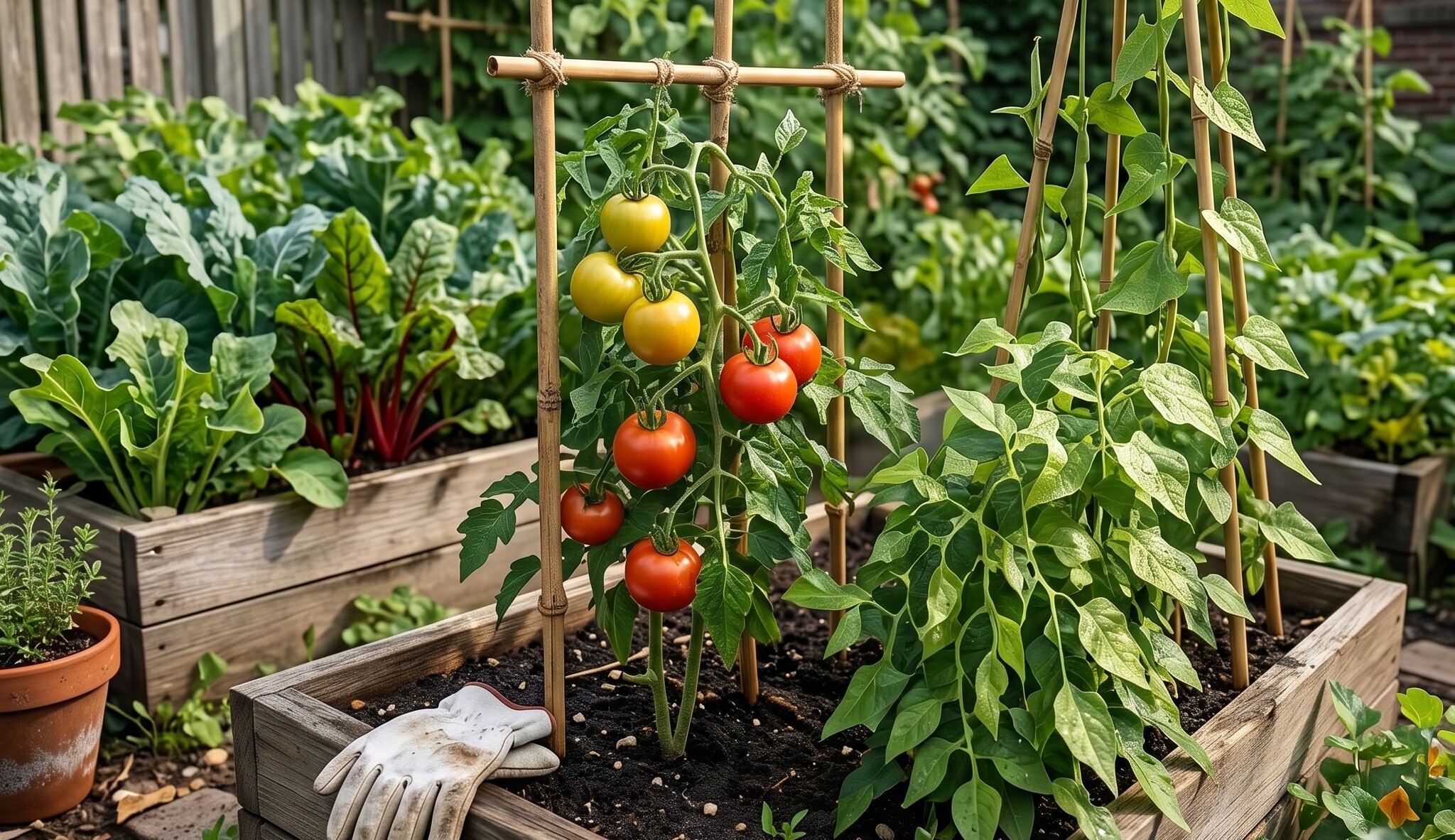
Crop rotation might sound like something only big farms worry about, but it’s actually super useful—even essential—when you’re working with small urban plots.
Here, whether you have a set of raised beds, a tight collection of containers, or a tiny backyard garden, rotating crops is one of the best ways to keep your soil healthy and your harvests reliable.
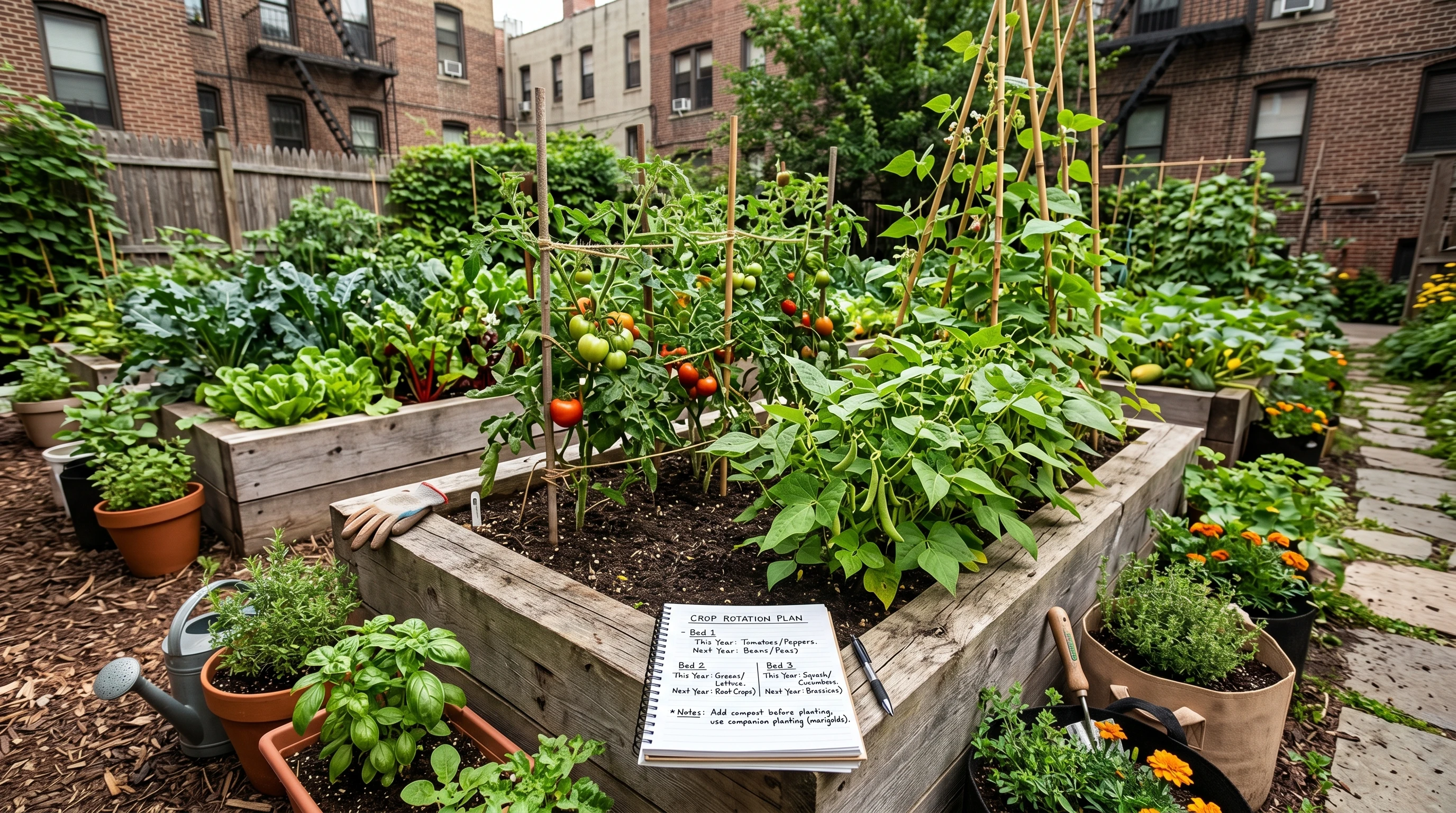
What Is Crop Rotation (And Why It Matters in Small Spaces)
Crop rotation means switching what you plant in a particular plot, garden bed, or container from season to season. You don’t grow the same plant family in the same spot year after year.
Here, this classic technique helps the soil recover, balances nutrients naturally, and repels pests and diseases that stick to familiar routines and plants.
While big farms use crop rotation on a massive scale, it’s surprisingly important for small-space gardeners too. In compact gardens or anywhere planting is heavy, the soil experiences significant stress. Problems can pile up quicker than you’d expect. A regular rotation keeps things running smoothly without the need for loads of chemicals or special soil amendments.
Some of the biggest perks include:
- Healthier soil. Breaks up cycles of nutrient loss and keeps your plants thriving.
- Fewer pests and diseases. Interrupts the life cycles of bugs and fungi that target specific crops.
- Better yields. Prevents complete soil exhaustion, allowing plants to remain vigorous year after year.
The Unique Challenges of Urban Gardening
Urban gardening often means fitting a lot of plants into a small footprint. You might have a couple of raised beds, a handful of containers, or a tiny side-yard plot. With this dense planting comes a unique set of issues:
- Limited space: Smaller gardens mean less room for soil to bounce back naturally. There’s not much “rest time” between plantings.
- Repeated use: Often, the same small area gets planted constantly—spring, summer, fall, and sometimes even winter. There’s barely any break for the soil.
- Faster depletion: Nutrients can disappear quickly, especially if you’re growing lots of heavy feeders like tomatoes or squash. It’s also easier for pests or diseases to dig in, since there’s nowhere for them to “disappear.”
If you skip crop rotation in a small garden, you’re a lot more likely to spot declining soil vitality, disappointing harvests, and stubborn pests or mildew problems.
Understanding Plant Families (The Foundation of Rotation)
A good rotation plan isn’t just a matter of switching what you grow at random—it’s about moving entire plant families, making sure that the same family doesn’t grow in the same spot in consecutive years. Different families often attract different pests, use different nutrients, and interact with the soil in unique ways.
So, here’s a rundown of common plant families in urban gardens, and some crop examples so you can get a feel for where your favorites fit:
- Nightshades (Solanaceae): Tomatoes, peppers, eggplants, potatoes
- Legumes (Fabaceae): Beans, peas, lentils
- Brassicas (Brassicaceae): Broccoli, cabbage, kale, cauliflower, radishes
- Cucurbits (Cucurbitaceae): Cucumbers, squash, zucchini, pumpkins
- Alliums (Amaryllidaceae): Onions, garlic, leeks, shallots
- Umbellifers (Apiaceae): Carrots, parsley, celery, parsnips, dill
- Leafy greens (varied families): Lettuce (Asteraceae), spinach (Amaranthaceae), Swiss chard (Amaranthaceae)
If you keep planting tomatoes—or even peppers and eggplants, which are close cousins—in the same bed every summer, you invite tomato-specific bugs and soil pathogens to dig in for the long haul. Mixing it up is the key to outsmarting these garden headaches.
The 3-Year vs. 4-Year Rotation System (Simplified)
Now, you don’t have to own a sprawling backyard to benefit from a basic crop rotation approach. The most accessible systems are 3-year and 4-year rotations. Let’s check out how each one can work in your urban setup:
- 3-Year Rotation: This is easy to handle in three raised beds or three marked sections of one larger bed. You split your crops into three main groups—root crops, fruiting crops, and leafy or legume crops. Every year, each group moves to a new spot.
- 4-Year Rotation: If you have four separate beds or can carve out four distinct sections, this is a classic system. It splits crops into four families: Solanaceae (nightshades), Brassicaceae (brassicas), Fabaceae (legumes), and “Everything Else” (often roots or alliums), and these groups rotate locations every year.
Here’s an example for three beds:
- Year 1: Bed A – Tomatoes/Peppers | Bed B – Beans/Peas | Bed C – Cabbage/Broccoli
- Year 2: Bed A – Beans/Peas | Bed B – Cabbage/Broccoli | Bed C – Tomatoes/Peppers
- Year 3: Bed A – Cabbage/Broccoli | Bed B – Tomatoes/Peppers | Bed C – Beans/Peas
If you only have two beds or large containers, rotation is still worth doing. Just alternate the families grown—say, planting low-maintenance crops (like lettuce, herbs, or radishes) one season, then higher-demanding crops (like tomatoes or squash) the next.
How to Plan Crop Rotation in Raised Beds or Containers
Keeping up with a rotation system in close quarters does take a bit of preparation, but it pays off in the long run. Here are my favorite tips for mapping out rotation in an urban setting:
- Garden mapping: Sketch out your beds and mark where each crop family will go each season. You can use free apps or plain old graph paper—whatever works for you.
- Planting log: It’s handy to jot down what you plant where each season. Any notebook, the back of an envelope, or even a phone note will do.
- Vertical gardening: Let tall crops like pole beans use trellises above carrots or radishes. You use your vertical space and still rotate where the “main” crop family goes next year.
- Companion planting: Some crops help each other out (like tomatoes and basil). That combo can share a bed, but treat the “main” fruit or veggie as what you rotate next year.
The trick is making it your annual ritual—draw, write, plan, and then repeat each spring to avoid accidentally replanting the same type in the same spot.
Soil Health: The Hidden Payoff of Rotation
One giant benefit of crop rotation is hidden right under your feet: healthy, resilient soil. Each type of plant grabs different nutrients and even gives back, all helping maintain balance in your garden beds. This soil balance means your plants do better without loads of hands-on soil management.
Fruiting crops (like tomatoes and peppers) quickly deplete the soil, especially if they keep returning to the same spot. Leafy greens are heavy on nitrogen. Root crops help break up tougher ground while pulling various minerals from the earth.
Legumes such as beans and peas “fix” atmospheric nitrogen back into the soil through a partnership with specialized root bacteria. When these follow heavy-feeding crops, they naturally recharge tired soil without any synthetic fertilizer.
Sticking to rotation saves money and reduces the time you’d spend on additional fertilizer or hauling more bags of compost. Plus, if your soil is in balance, your harvest will taste better, feel crisper, and store longer because the plants have had the nutrients they need to thrive.
Natural Pest and Disease Control Through Rotation
Urban gardens are magnets for specific pests because the same crops are often grown close together year after year. Crop rotation is an easy way to short-circuit the repeating life cycles of these bugs and diseases, giving you a big advantage without harsh sprays.
- Fungal pathogens: Problems like tomato blight, clubroot in cabbage, and onion white rot thrive in the soil, waiting for their favorite crop. If you don’t rotate, you give these diseases a perfect home year after year.
- Insect pests: Insects like Colorado potato beetles, cabbage worms, and bean weevils lay eggs near their hosts. If their favorite plants are moved elsewhere the next season, the pests miss their mark, and their numbers taper off naturally.
For example, I used to deal with relentless tomato blight until I gave tomatoes a “rest” and put beans in their bed for a year. When tomatoes returned another season, blight was minimal. That simple mix-up saved my harvest—not a single fungicide was needed.
Beginner-Friendly Crop Rotation Plan (Quick Start Guide)
Starting with crop rotation can be super simple, even for first-timers or tiny spaces. If you have two, three, or four beds or groupings of containers, start with this easy plan for three spots:
- Tomatoes/Peppers (Nightshades)
- Leafy greens/Brassicas (Broccoli, cabbage, kale)
- Beans/Peas (Legumes)
Every new season, move each family to a new bed or container cluster. With four spots, add a “roots and onions” section for even better balance.
Here’s an easy cheat sheet for which group works best after another:
- Nightshades (tomatoes/peppers) – Switch to legumes (beans/peas) after.
- Legumes (beans/peas) – Next up, use the spot for brassicas or leafy greens.
- Brassicas/Leafy greens – Follow these with root crops or onions.
- Root crops – These give way to nightshades for the next planting.
Stick with your rotation by checking your notes each spring, and don’t worry about being perfect. If you lose track, just avoid putting the same “main” crop family in the same spot twice in a row, and you’ll already be ahead.
Frequently Asked Questions
Urban gardeners are often curious about the nitty-gritty of crop rotation. Here are questions I get most often—and straightforward answers to help you out:
How can I rotate crops if I only have one raised bed?
Divide it into marked sections and move families around among those. Growing a mix of crops and doing plenty of companion planting will take you a long way, too.
Do I need to rotate herbs and flowers, too?
Most herbs aren’t picky, but annuals like basil and dill do better when rotated—especially if pests or poor yields have been issues.
Can I refresh the soil between rotations?
Absolutely! Mixing in compost or aged manure between seasons makes a huge difference. Even a cover crop over winter gives the soil a rest. But don’t rely solely on amendments—rotating is what breaks pest cycles for good.
Is it OK OK mix plant families in a bed?
For sure. Just keep track of the dominant family so you can rotate that to a new area next season. Notes and simple charts go a long way.
Crop Rotation in Action: Urban Example
Certainly, crop rotation totally changed my 200-square-foot backyard garden. Each year, I sketch out the plan with tomatoes in one area, beans in a second, and brassicas in the third. The next year, everything gets shifted. The difference? Way fewer bugs, much richer soil, and sturdier veggies compared to the years when tomatoes lived in the same spot three years running.
If you’ve wrestled with weird plant failures, leggy growth, or patchy leaves, a simple crop rotation strategy (plus record-keeping) can turn your gardening adventure around. There’s no better way to “reset” your small garden than rotating crops each year.
How to Make Crop Rotation Work for Your Urban Garden
Here, the best plan is one you’ll follow every year. Just keep it simple—write down what you plant, and use gentle reminders to stay on top of your system. Start with the big categories: nightshades, legumes, and brassicas. Once you’re in the habit, you can add more details to your rotation scheme.
Even on the smallest city plot or a handful of containers, making sure your crops are moved around each year is crucial for healthy yields and soil that keeps getting stronger. If you dedicate just a bit of time each season, the payoff in produce, flavor, and garden resilience is worth every bit of effort.
By giving your soil a fresh start and keeping pests off-balance, you can get the most out of even the tiniest city garden. So grab a notebook, sketch your space, and start planning your new rotation—it’s the secret to gardening that just gets better year after year!