
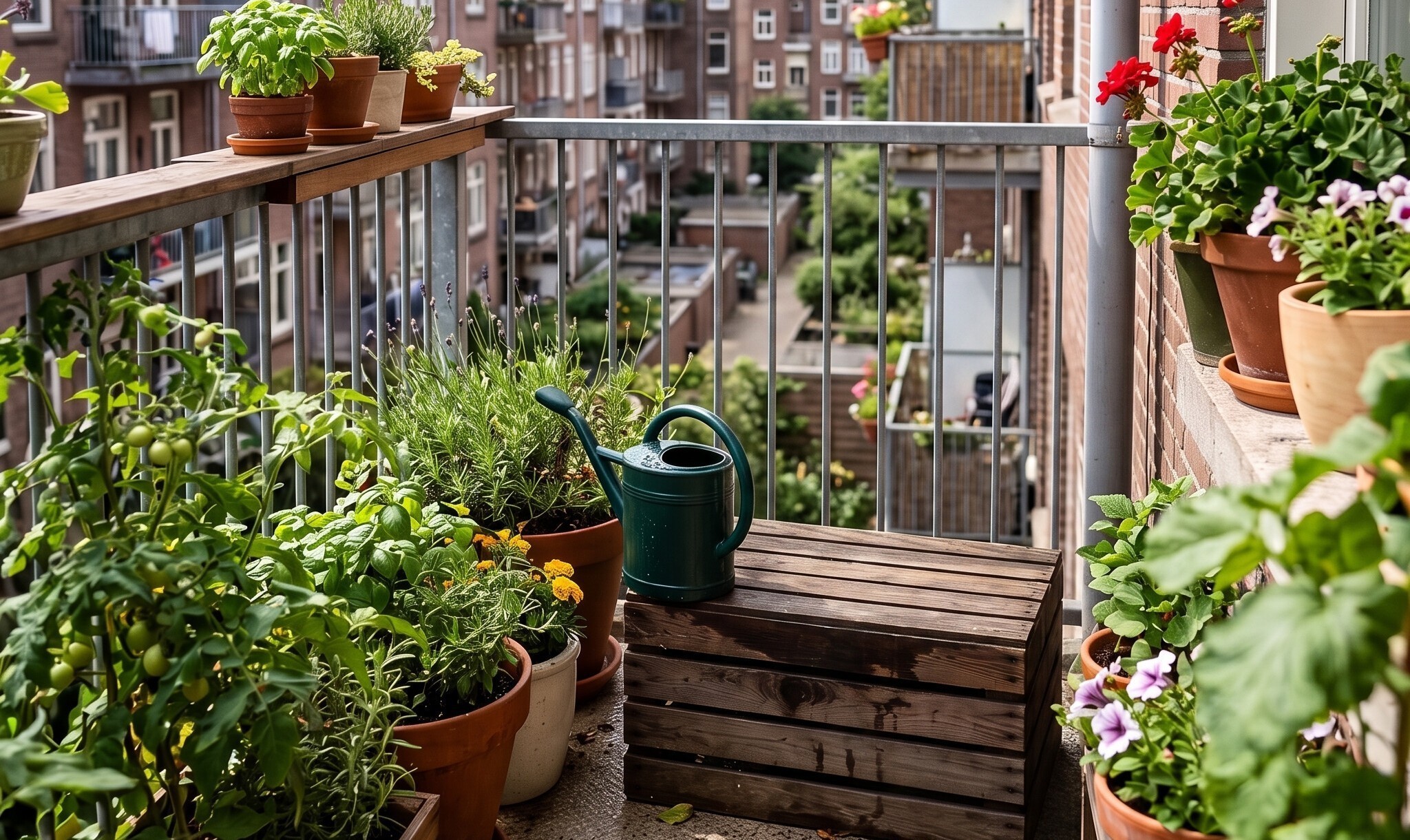
Ok, simply put, caring for container plants often means keeping an eye on their watering needs. Unlike garden beds, potted plants can dry out surprisingly quickly.
Here, figuring out how often to water them can be confusing, so I’m going to clear up how to gauge when your container plants need a drink, how to avoid some of the most common mistakes, and show you seven practical ways to keep your container garden thriving.
And, in this guide, we’ll break down exactly how often to water container plants, what factors influence their needs, common mistakes to avoid, and seven simple, practical ways to keep your container garden thriving—without overthinking it.
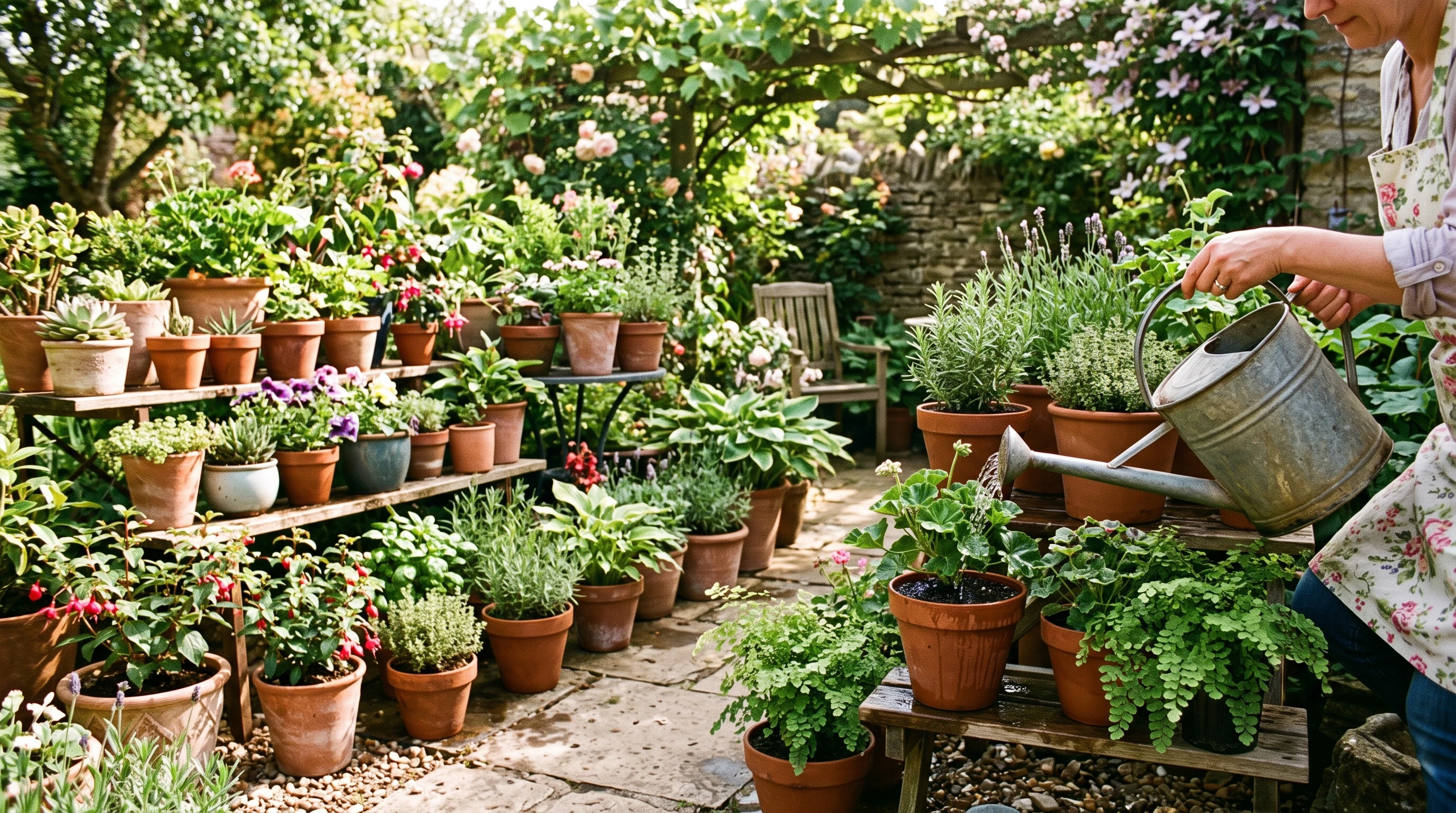
Why Watering Container Plants Is Different
Here, container plants rely entirely on you for water, and their environment is much less forgiving than the ground. The pots can dry out faster since roots are limited to the soil in that container. Here, I’ve noticed that factors like sunlight, wind, and pot size can affect how often you need to water.
There are some days you’ll need to water daily, while other times, every few days is fine. Understanding these differences makes it easier to keep your plants looking their best. Knowing how containers differ from in-ground beds will help you recognize which clues to look for and how quickly water disappears from the soil. Pots exposed to direct sun on patios or balconies lose moisture much faster than those in a shaded garden bed.
Factors That Change How Often to Water
It’s simply about getting your watering schedule right, which isn’t about memorizing a strict timetable but about understanding the factors that influence your decisions.
Here’s what I pay attention to:
- Plant type: Succulents, herbs, and flowers all have different thirst levels. For instance, succulents love dry spells, while the fun herb of basil wants steady moisture.
- Container size and material: Small pots dry out more quickly than large ones. The terracotta pots, how nice they are, these containers dry out faster than plastic or glazed ceramic pots due to their porous nature.
- Sun exposure: In full sun, pots can dry out quickly, especially on warm days. Shade slows things down.
- Weather: Hot and windy days speed up evaporation; rainy, cool days slow it down. Sudden heatwaves or unexpected rain can throw off your normal routine.
- Stage of growth: New transplants and flowering plants can be thirstier than established, slow-growing ones. As plants mature, their roots search for water deeper, but they still rely solely on what you provide in a pot.
Here, paying attention to these details helps you adjust how often you water and prevents underwatering or drowning your plants.
Seven Ways to Water Container Plants Effectively
The importance of watering isn’t just about pouring water in and hoping for the best. Here are seven ways that have helped me and other gardeners keep container plants thriving:
- Check Soil Moisture with Your Finger
Yes, sticking your finger about an inch deep into the soil gives you a quick read on whether it’s dry. If it feels dry at that depth, it’s time to water. It is a super-simple method that works for all types of containers and is a personal favorite because you don’t need fancy tools. If you’re unsure, do this test every day for a week to get a sense of your pot’s needs in your climate. - Water Until It Drains from the Bottom
Yes, give each container enough water so it starts coming out through the drainage holes at the bottom. It helps soak the entire root system and flush out any built-up minerals or fertilizer residue. Waiting until you see water drain out lets you know the whole pot has enough water and has become moistened. - Use Mulch on Top of the Soil
Yes, adding a thin layer of mulch (such as bark chips, coconut fiber, or even pebbles) to the surface helps slow evaporation, which means less frequent watering. Here, this is particularly helpful if your pots sit in scorching sun for hours. Here, mulch also helps maintain a consistent temperature in the root zone. - Group Pots with Similar Needs
An organizational method, on plant placement, keeping thirsty plants together and dry-loving plants elsewhere, helps; it makes it easier to remember who needs what. For example, put all your herbs in one area and succulents in another. This way, your watering routine becomes a lot more straightforward and takes less guesswork out of plant care. It also helps if you’re short on time or tend to forget who is who in your container garden. - Choose the Right Time to Water
I usually water in the morning, which gives plants a chance to absorb the moisture before the day gets hot. The evening can also work, but wet leaves overnight can sometimes attract pests or diseases, so try to keep foliage dry. Watering at the right time also reduces evaporation losses and keeps roots happier throughout the day. - Monitor During Extreme Weather
On hot days, during heatwaves, or in windy spells, pots may need watering once or even twice daily. Don’t be afraid to check more frequently, especially during changing seasons. Container plants have a limited water buffer and can dry out suddenly under these conditions. If you’re traveling, asking a friend or using an automatic system can help your plants stay alive while you’re away. - Use Selfwatering Containers or Watering Spikes
While away, these are handy for people who travel or forget to water. Self-watering pots have a built-in reservoir, and watering spikes slowly deliver water to the roots. Both options help keep soil consistently moist and reduce day-to-day stress for the gardener. Over time, these tools save water and make your care routine much easier.
Yes, today, there are also smart irrigation systems you can install for bigger patios or balconies, allowing you to schedule watering or even control them via your phone. While not necessary for everyone, they can be a game-changer if you have lots of containers or a busy schedule.
How Much Water Do Container Plants Really Need?
Here, the goal is to moisten the entire pot of soil without leaving the roots soggy. A good rule of thumb is to add enough water so it runs freely from the drainage holes; just don’t let your pots sit in standing water, which leads to root rot. I find it handy to wait a few minutes after watering, then empty any saucers underneath so no extra moisture sits at the bottom.
On tiny pots or seedlings, a gentle touch prevents soil from washing away and young roots from being easily reached under leaves, without splashing everywhere.
Keep in mind, don’t forget to adjust the amount based on the weather. During a spell of cloudy, cooler days, back off on water. If sunshine and heat pick up, you’ll need to water more. Plants in smaller pots and hanging baskets may need checking even twice a day in midsummer; water as often as needed. Outdoor containers evaporate faster than those indoors, so location matters too.
Common Mistakes and How to Avoid Them
Here, even experienced gardeners run into problems when watering container plants. It’s these mistakes that come up a lot, which are avoidable with a little attention:
- Overwatering: Yes, many here are on a rigid watering schedule at times, without first checking the soil. Here, this can lead to mushy roots or even mold. Checking the soil by touch is better than just sticking to a calendar. Try to check soil moisture instead of going by the clock.
- Underwatering: On hot days, pots may need water more than once a day. Plants with large leaves or those blooming heavily often dry out first. Wilting, crispy edges, and soil pulling away from the pot’s edge are signs you’ve waited too long.
- Skipping Drainage: Always use containers with holes in the bottom, since standing water at the roots suffocates the plant. If you love a pot without holes, drill some or use it as a cover pot (keeping your plant in a smaller pot inside). Good drainage is crucial to keep roots breathing.
- Watering too little each time: Quick splashes might wet the top but won’t reach deeper roots. Consistently watering too little results in weak, shallow-rooted plants over time. Take your time to make sure the moisture spreads throughout the pot.
Why Some Plants Need Different Schedules
Not all plants like the same moisture level. Succulents and cacti prefer to dry out almost completely before being watered, while ferns and herbs like basil prefer consistent moisture. If you’re unsure about a plant’s preference, look up its basic care or check with your nursery. Tags in the pot or a quick online search usually give you enough info to get it right.
Best Tools for Watering Container Plants
You don’t need fancy gadgets to do a good job, but having reliable tools makes container gardening smoother. I use:
- Watering cans with long, narrow spouts to reach under foliage
- Hoses with adjustable spray heads for large balconies or patios
- Moisture meters for checking soil in deep or heavy pots, though the finger test works well for most situations
- Plastic or ceramic saucers to catch excess, especially helpful indoors
Other tools include drip irrigation kits, which are great for many pots in one area, and watering globes, which release water slowly over several days. Having a few options lets you customize your routine.
Different Plant Types and Their Watering Preferences
- Herbs: Most herbs appreciate soil that’s moist but not soggy. Parsley, basil, and mint dry out quickly and let you know when they’re thirsty by drooping leaves. Oregano, rosemary, and thyme, on the other hand, handle dry soil a bit better.
- Flowers (petunias, geraniums, pansies): These tend to bloom best with regular moisture. Once the soil feels dry to an inch, give it a thorough drink. Watch for leaf wilt or flowers dropping too soon as a clue to water more.
- Succulents and cacti: These need water only after the soil is completely dry. Here, often, once every week or two is enough, especially in cooler weather. Less is more when it comes to these tough plants.
- Vegetables: Tomatoes, peppers, and lettuce in pots typically want evenly moist soil—never dry but never swampy either. Be on the lookout for drooping leaves as a sign that the plant needs water, especially during fruiting or rapid growth.
Ornamental grasses and other drought-tolerant plants usually need less water. Shade-loving ferns or caladiums may want more frequent drinks, especially in hot climates. Matching your plant choices to your watering style and available time really pays off.
FAQs About Watering Container Plants
Question: How do I know how often to water my container plants?
Answer: Check the soil moisture with your finger or a moisture meter. Water when the top inch feels dry. In summer, this could be every day; in winter, it’s otherwise weekly.
Question: My leaves are turning yellow—did I water too much or too little?
Answer: Both overwatering and underwatering can cause yellow leaves. Check if the soil is soggy or bone dry. Adjust so the soil stays slightly moist and drains well.
Question: Can I use treated tap water on my container plants?
Answer: Most tap water is fine for robust container plants, but some sensitive species (like orchids) prefer filtered or rainwater.
Real-Life Tips from My Container Gardening Experience
Overall, here, at the end of the day, I keep a few tricks up my sleeve from years of trial and error. I always group plants with similar watering schedules to make daily chores faster.
And during heatwaves, moving containers to afternoon shade makes a huge difference. If something looks off—like floppy leaves or dry soil—don’t wait—give them a drink, then watch how quickly they bounce back. And above all, don’t be afraid to get your hands in the dirt. Plants in pots tell you how they feel if you know how to read the signs.
Fundamentally, container plant watering isn’t one-size-fits-all. With a bit of observation and a habit of checking the soil, anyone can succeed in growing beautiful, healthy plants in pots.
Here, take the time to learn your plants and set up a routine that fits your lifestyle, and you’ll see just how rewarding container gardening can be, even on your busiest days. Whether you’re starting out or already have a collection of pots, growing with awareness leads to vibrant, resilient plants every season.
And the good news is that you don’t need perfect timing—you need a simple habit. Here, once you get into the rhythm of checking your plants and responding to their needs, watering becomes second nature.
And when you get it right, your plants will show you—through stronger growth, healthier leaves, and a container garden that thrives, even in the middle of a busy, everyday life.