
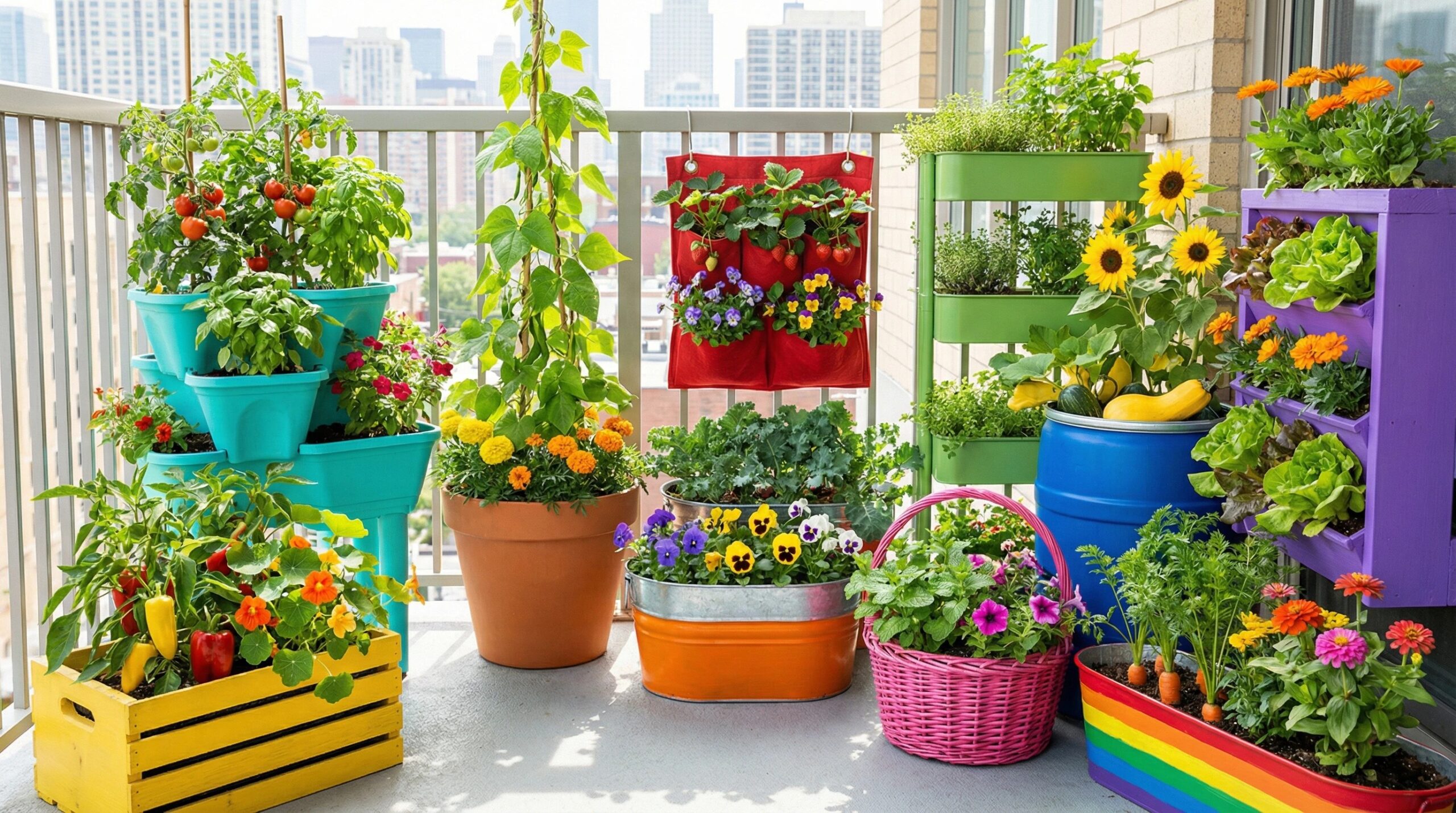
Urban gardening has been getting a lot of attention lately, and I totally get why. With high-rise apartments and compact living becoming the norm, those of us dreaming of homegrown veggies or a leafy sanctuary have gotten pretty creative with our green spaces.
Container gardening is one of the easiest ways to bring a touch of nature right onto a balcony, patio, or even a kitchen window.
Containers make it possible to garden in small spaces where traditional garden beds aren’t an option. They also let you move your plants around, get creative with arrangements, and even squeeze in some fresh produce where you’d least expect it. But not all containers are created equal; factors such as drainage, size, and style can significantly affect plant health. Picking the right pot actually matters a lot.
If you’re not sure where to begin, you’re in the right place. Here, I’m breaking down the factors you’ll want to consider, then sharing my top 10 favorite containers for urban gardening, each with its own perks, drawbacks, and plants that thrive. Whether you’re after something practical or looking for some style, I’ve got you covered.
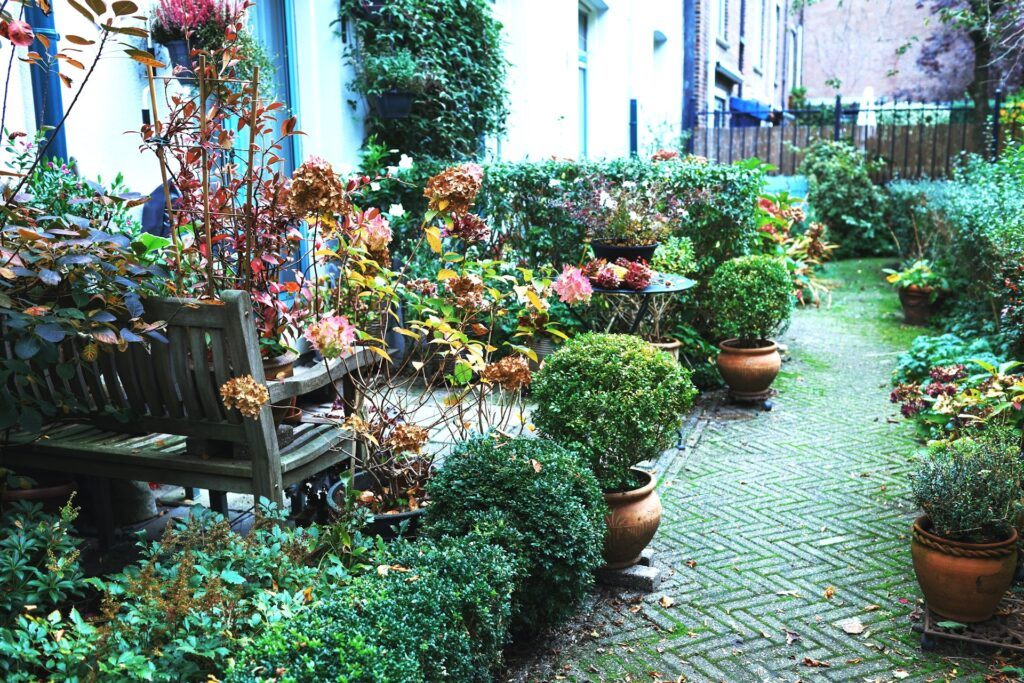
Key Factors to Consider Before Choosing a Container
I’ve learned through lots of trial and error that the right container can make a big difference in how well your plants grow (and how easy your gardening experience is). Here are a few things I always check before picking out a pot or planter:
- Size and Depth: Different plants have different root systems. Herbs usually don’t need deep pots, but tomatoes and root veggies definitely do.
- Drainage and Aeration: Healthy roots need excess water to drain out. Otherwise, you’ll be dealing with soggy soil and unhappy plants.
- Material Durability: Some materials don’t hold up as well to changing temperatures or harsh sun, so look for containers that won’t crack or degrade too quickly.
- Weight and Mobility: If you want to shuffle your containers around for better sun or just for a change, consider how heavy they’ll be when filled with soil and plants.
- Budget: Pots range from super cheap to “yikes.” There are good options for every budget, so don’t feel like you have to overspend.
- Sustainability: There are more eco-friendly choices these days, including upcycled options or pots made from biodegradable materials.
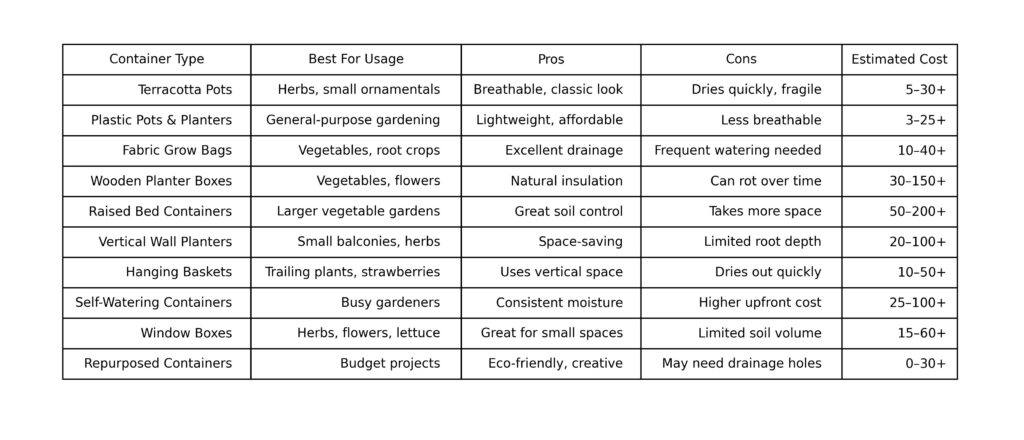
Top 10 Containers for Urban Gardening
- Terracotta Pots
There’s a reason terracotta pots are everywhere. Their classic, earthy look suits almost any style, and the porous material allows good airflow, helping prevent root rot. They’re especially good for Mediterranean herbs like rosemary and lavender because the clay doesn’t keep soil overly wet.
What I like: Breathes well, looks timeless in any setting.
Things to know: They break if dropped and dry out faster than other options, so keep up on watering, especially in sunny spots.
Best for: Herbs, succulents, drought-tolerant plants. - Plastic Pots & Planters
Plastic pots are lightweight, budget friendly, and come in just about every color. If you’re renting or plan on rearranging your setup, they’re easy to move around. Plus, since they don’t lose water through porous sides, they keep soil moist longer (which is nice if you forget to water now and then).
What I like: Great for people on the move or working with a tight budget.
Things to know: Cheap plastic can crack in the sun, and it’s not always the most sustainable unless you reuse or recycle it.
Best for: Balcony veggies, flowers, houseplants that need more consistent moisture. - Fabric Grow Bags
These are basically tough, breathable bags that you fill with soil. Grow bags allow air to reach plant roots, leading to stronger, healthier growth. They drain excess water easily so that roots won’t rot, and you can fold them up for storage when empty.
What I like: Super easy to store, air-prune roots (which means fuller root systems), and great for crops that need room for deep roots or spreading, like tomatoes or potatoes.
Things to know: These dry out a bit faster in summer, and after a few years, the fabric can wear out.
Best for: Tomatoes, potatoes, peppers, most leafy greens. - Wooden Planter Boxes
Wooden boxes (especially cedar or redwood) look rustic and provide great insulation for roots. These boxes can often be custom-sized for a window ledge or a patio corner. Just remember to line them with plastic if you’re worried about rot, but don’t forget to poke some drainage holes.
What I like: Insulated roots keep plants happy during temperature swings, and they look great in natural-themed spaces.
Things to know: Some wood types rot faster, so treat the inside with a nontoxic sealer or use rot-resistant woods.
Best for: Lettuces, peppers, small shrubs, strawberries. - Raised Bed Containers
Raised beds don’t have to be huge or built-in. You can buy smaller ones designed for patios or rooftops. They give you more soil depth, so deep-rooted plants and even small trees can grow well. Raised beds help keep pests away and are easier on your back because you don’t have to bend as far.
What I like: Great for people with accessibility needs or those who want to grow more than one crop type in a single spot.
Things to know: They require a bit more setup and can get heavy when filled with soil.
Best for: Carrots, beets, peppers, greens, larger plant groupings, kitchen garden combos. - Vertical Wall Planters
When you’re tight on space, go up. Vertical planters attach to walls or railings and give you pockets or slings for individual plants. These maximize your square footage and look stylish.
What I like: It lets you squeeze more plants into small areas and works well for herbs, lettuces, or decorative trailing plants.
Things to know: Water tends to drip down, so check the bottom regularly and keep up with feeding.
Best for: Herbs, leafy greens, pollinator-friendly flowers. - Hanging Baskets
Don’t overlook overhead space. Hanging baskets give a lush, overgrown look and are especially good for strawberries, petunias, or anything that cascades.
What I like: Brightens up balconies or entryways while taking up no floor space.
Things to know: They dry out quickly in wind and sun, so make sure your hooks can handle the weight, especially after watering.
Best for: Strawberries, trailing succulents, flowers, and small tomatoes. - Self-Watering Containers
If you forget to water sometimes (guilty!), self-watering containers are a lifesaver. They have a water reservoir at the bottom, letting your plants drink when they need to, which keeps roots from getting too soggy.
What I like: Cuts down on daily watering, perfect for people who travel or have busy schedules.
Things to know: These can be pricier up front and may need occasional cleaning to avoid algae buildup.
Best for: Tomatoes, basil, dwarf peppers, houseplants, anything that likes even moisture. - Window Boxes
Perfect for apartment dwellers, window boxes can add a pop of color outside your window and give you easy access to herbs or flowers. They’re usually lightweight and are easy to attach to window ledges or railings.
What I like: Great curb appeal, plus it’s super easy to snip a few fresh herbs whenever you’re cooking.
Things to know: Make sure they’re securely attached, especially in windy weather. Choose plants to match your sun or shade exposure.
Best for: Basil, thyme, mint, pansies, nasturtiums, salad greens. - Repurposed & Upcycled Containers
Old buckets, crates, metal tins, and wine barrels can all make unique containers if you add drainage holes. It’s a creative and affordable way to grow, plus it’s better for the environment.
What I like: Fun to personalize, and you get a unique look every time.
Things to know: Large or deep items may need extra holes for drainage. Painted containers should use nontoxic finishes if you’re growing edibles.
Best for: Anything that fits; herbs, veggies, flowers, small fruit trees.
Tips for Maximizing Success with Container Gardening
 Once you’ve chosen your containers, keeping your garden thriving comes down to a few basics. Here are some things that help me keep plants healthy in even the smallest of spaces:
- Use the Right Soil: Regular garden soil is too heavy for pots. Go for a good quality potting mix, often with added vermiculite or perlite for extra drainage.
- Fertilize Regularly: Container plants use up nutrients faster, so plan to feed every 2 to 4 weeks with a balanced liquid fertilizer or slow-release granules.
- Water Smart: Early morning is best, so plants dry out before night. Check every day in summer, as pots dry out a lot faster than ground beds.
- Adjust for Seasons: Move plants that struggle in the heat to shadier spots, or bring tender ones indoors before a frost.
- Pest Management: Urban spots can still have pests. Check for aphids, spider mites, and fungus gnats. Try neem oil, insecticidal soap, or even just washing foliage with water.
Wrapping Up Your Urban Gardening Adventure
Choosing the right container is important for anyone looking to grow a successful balcony or indoor garden.
The great thing is you have so many options, so there’s always something that fits your space, your style, and your favorite plants. With the right container and some easy care tips, you’ll have fresh herbs, homegrown veggies, or even flowers right at your fingertips, no matter where you live.
It’s always worth starting small or experimenting with different setups. Every season is a chance to try something new. Share your progress with friends or on social media so others can get inspired to try their own tiny gardens. Getting started is the best way to see what works for you, and you might be surprised by what you can grow with the right setup!
To add even more impact to your urban garden, consider playing with plant combinations, mixing edibles with ornamentals for both beauty and practicality. You can get creative with seasonal displays, swap out plant varieties as the weather changes, or even try growing a themed garden—like a salsa garden with tomatoes, cilantro, and peppers, or a floral pollinator patch.
Don’t be afraid to mix and match different types of containers, either. Sometimes, a unique blend of styles creates the most interesting and personal green space.
If you’re interested in sustainability, keep an eye out for local recycling programs or plant swaps to find more container options without creating extra waste.
Remember, the best urban gardens reflect both your personality and your environment, so have fun shaping a space that feels like home, even if it’s just a few pots on a windowsill.