
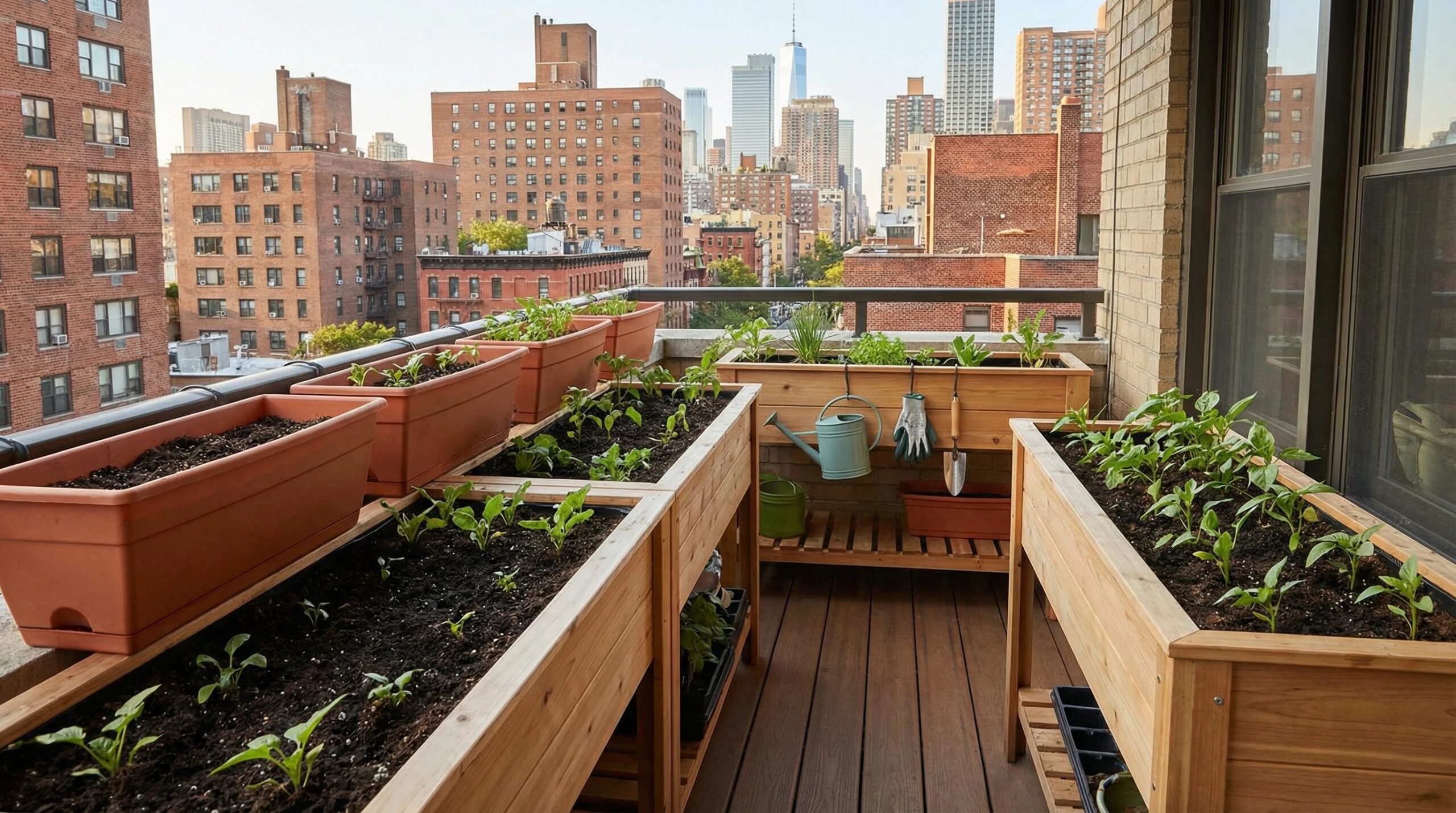
Urban gardening is an incredibly rewarding way to add more green to your space, even when your “outdoor room” is only a small balcony, a tiny patio, or just a row of containers on the windowsill.
When spring rolls around, prepping that space, setting up for fresh growth, and tackling the city-specific challenges are key.
I’m breaking spring prep into six clear steps that keep everything manageable and easy, whether you’re a first-time grower or looking to step your plant paradise up a notch.
Why Proper Spring Prep Matters in an Urban Garden
Spring is the season when everything starts over. Prepping your urban garden isn’t just about clearing out last year’s leaves or tossing in fresh seeds.
In cities, where sunlight, air movement, and square footage are tight, the right prep helps keep pests at bay, gives roots a solid start, and ensures your plants thrive all season. When I set aside some time for detailed prep, my plants recover fast, and I get more out of even the smallest nook.
Urban gardening is climbing in popularity as more people realize how much they can grow in limited spaces. According to the National Gardening Association, interest in container and indoor gardening has surged. This means there are plenty of resources and tips available just for city gardening (source). No matter your skill level, a bit of focused prep now wards off problems and weak plants later on.
The Six Steps: Preparing Your Urban Garden For Spring
Let’s check out the steps I always follow (and recommend) for hassle-free city gardening. Each step here comes from experiences I’ve had and from fellow urban growers who know their stuff.
- Clear and Clean Your Space
- Start with a reset. Move pots, sweep the balcony or patio, pick up dead plant bits, and pull out any old stems from last year’s growth. Clear any leftover decorations or garden ornaments that might be in the way.
- If you use containers, wash them with mild soap and warm water to get rid of algae, caked-on soil, and any garden pests hiding from last winter. Rinse thoroughly so no soap stays behind.
- Raised beds, if you have one, benefit from loosening the top layer with a hand fork. Pull out dense weeds and fluff the soil so it breathes.
- Check for trash, seeds, or dust bunnies in corners and under pots. Small spaces love to collect random debris, so a detailed sweep makes a big difference.
- Wipe down railings and flooring to remove any grime and make your outdoor space feel refreshed.
- Refresh and Test Your Soil
- Nutritious soil is the lifeblood of any urban garden since limited space means nutrients disappear quickly.
- Remove compacted or tired potting mix and swap out a third to half of the old soil for fresh potting mix and compost. Don’t toss your old soil; spread it on garden beds outside or work it into other landscaping to recycle those organics.
- For big planters, toss in some worm castings or a slow-release organic fertilizer. A mix of old and new keeps costs down while still boosting plants.
- Do a cheap at-home soil pH test. City soil can shift from acidic to alkaline after winter weather. Most urban garden centers have simple test kits to help you dial in those levels so your plants aren’t struggling for nutrients.
- If the soil feels hard or dries quickly, add perlite or coconut coir to pump up drainage and keep roots healthy.
- Plan Your Garden Layout and Choose Crops
- Draw a quick “map” of your garden space. Use paper or even a simple phone sketch app. Plan out where each pot will sit, where the sun hits throughout the day, and how you’ll group your plants.
- Group varieties by how much sun and water they need—herbs in one area, greens together, and sun-loving tomatoes or chilies against your brightest wall.
- Go vertical to tap into unused space. Wall planters, stackable pots, outdoor shelves, or trellises can double your growing area while keeping everything accessible.
- Mix in flowers alongside your veggies for pollinator appeal and color. Small, nectar-rich blooms help attract beneficial bugs and brighten up small spaces.
- Swap containers or rotate crops each year—tomatoes last spring, leafy greens this time. This keeps the soil healthy and breaks up pest and disease cycles.
- Check Containers and Tools
- Inspect all containers for cracks, broken edges, or clogged drains. Healthy roots need pots that shed extra water; standing moisture is a fast way to rot plants.
- When roots fill up a container and circle inside, it’s a sign you need to size up. Give crowded plants a roomy home this spring for stronger growth.
- Favor UV-resistant plastic planters or recycled containers if your space gets full sun—these last much longer than thin or basic plastics.
- Give your tools a once-over. Sharpen pruners and shears, check watering cans for leaks, and replace gloves with holes. Basic gear makes every job smoother.
- Pick up plant markers or labels to name new varieties and track what you’re growing year to year.
- Evaluate Sunlight, Heat, and Weather Patterns
- Urban gardens act as unique microclimates. Watch how sunlight moves through your space over a few days—the angle and reach often change as trees grow or new construction nearby.
- Put plants that crave sun where they’ll get at least six hours; tuck shade lovers behind railings or in the shelter of the building for less intense afternoon rays.
- Keep some lightweight fabric or an old sheet handy in case a surprise cold snap hits. Urban weather is unpredictable, and young seedlings need protection.
- Breezy balconies and rooftops dry out quickly, so use heavier pots to keep plants from tipping and water more regularly on windy days. Grouping containers can help, too.
- Consider adding a small windbreak, like bamboo screens or mesh, for very exposed areas. This helps block gusts and keeps humidity up around your plants.
- Start Planting in Stages
- Spread out planting to avoid overwhelming yourself or your space. Start with cool-tolerant crops—peas, spinach, lettuce—early in the season. Wait for warmer nights before bringing out tomatoes, peppers, or basil.
- Begin seeds for long-season crops inside on a windowsill or under a grow light. Get them outside after nighttime lows reliably stay above 50°F (10°C), with daily walks beforehand to toughen them up—a process called “hardening off.”
- Set a consistent watering schedule. Early mornings every other day help seedlings thrive and avoid fungal issues.
- Stagger your plantings by a week or two. You’ll enjoy a rolling harvest rather than a sudden glut—and sidestep the classic “more lettuce than I can eat” problem.
- Keep records of what you plant, where, and when. Each year’s notes help you tweak for even better results next time.
Common Urban Garden Spring Challenges (And How I Handle Them)
- Pests: Slugs, aphids, and whiteflies eventually show up in most city gardens. Weekly checkups help spot them early. Pick off by hand or use gentle sprays if natural predators, like ladybugs, are scarce.
- Soil Dryness: Containers lose water fast, especially when surrounded by sunbaked concrete or glass. Top dress pots with straw, bark chips, or even flat stones to keep soil moist.
- Space Limits: Outsmart small spaces with vertical container gardens—wall-mounted planters, step ladders, hanging baskets, and railing boxes all add growing room without crowding your pathways.
- Weight Concerns: If growing on a balcony, double-check its load-bearing capacity. Switch to lightweight mixes and recycled pots to lower potential risks, and always monitor waterlogged pots after heavy rain.
Refreshing Tools and Supplies for Spring
Getting a fresh start isn’t just about the plants. Sharpen and oil those clippers, test the watering cans for leaks, and check your gloves for rips or wear. Restock on fertilizer, seeds, and plant labels while spring discounts are running. Having a neat bin or basket for your garden essentials helps keep both your tools and your process organized, so you’ll always be ready when planting inspiration hits.
Grow Small, Grow Smart: Getting the Most from Tiny Urban Gardens
- Choose Compact Varieties: Look for packets and plant tags that mention “bush,” “dwarf,” or “container-friendly.” These options grow smaller but still yield generously.
- Interplanting: Mix in quick growers like radishes around slower crops such as carrots. You pull up fast crops just as the slower ones need more space.
- Succession Sowing: Stagger new plantings of greens and herbs every couple of weeks instead of all at once. This stretches your harvest window and keeps production steady.
- Companion Planting: Place fragrant plants such as basil or marigolds near vegetables to repel pests and increase plant health naturally.
- Soil Recycling: Rotate soil between containers each season, rejuvenating with compost, to spread nutrient use and prevent buildup of diseases.
Frequently Asked Questions
Question: Can I really grow vegetables on a shaded balcony?
Answer: Yes, definitely. Leafy greens (lettuce, chard), shade-tolerant herbs (mint, parsley), and even some radishes are great for spots with only four hours of sun. While you may not get huge fruit crops, regular salads and herb snips are absolutely possible.
Question: How can I prevent my pots from drying out too quickly?
Answer: Use mulch to lock in moisture, group pots close together to boost humidity, and put shallow trays under pots to catch runoff. Self-watering planters are a smart buy for extra busy days or hot spells.
Question: What’s the best soil mix for containers?
Answer: A high-quality organic potting mix, blended with compost and perlite, provides roots with room to breathe and effectively holds nutrients. Avoid plain garden soil from the ground—urban soils can hide weed seeds or pollutants.
When should I start seeds indoors versus direct-sow?
Answer: Start warm-season plants like tomatoes, eggplant, and peppers indoors about six to eight weeks before your area’s last frost. Crops like lettuce, peas, or cilantro can go straight outside as soon as the days feel reliably mild.
Setting Up for a Strong Spring: Bottom Line
Bringing an urban garden to life every spring is more than just planting seeds. It requires a little forward thinking, basic cleanup, checking your soil, and figuring out the quirks of your own urban space.
Even the smallest balcony or rooftop can become a mini green haven if you organize, try new ideas, and build on your experience year after year. Stay patient, experiment, and each spring will give you new chances to enjoy a beautiful, lush outdoor retreat—right outside your city window.
